
The Importance of Choice in Early Childhood
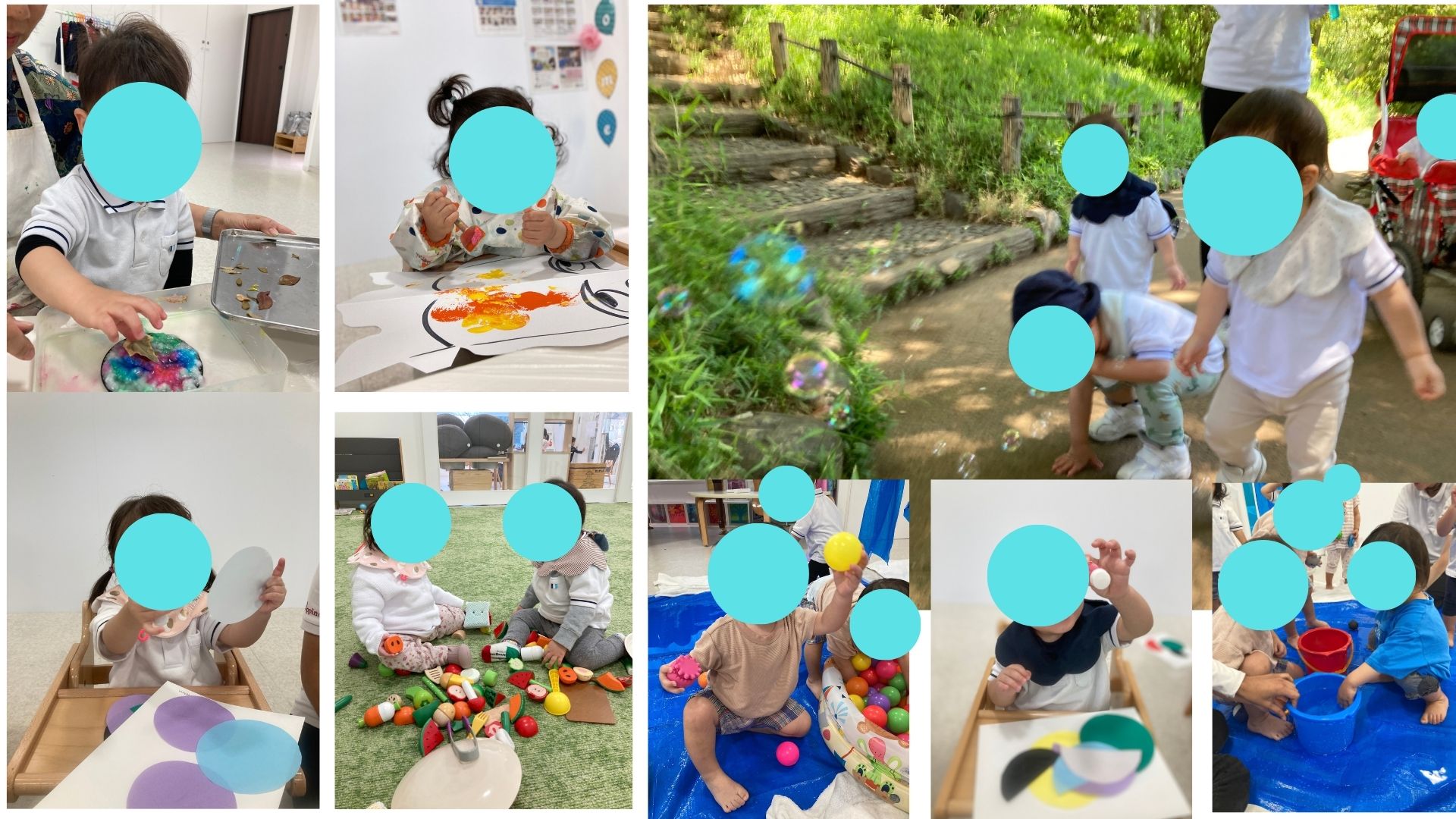
Every day, young children are discovering more about themselves and the world around them. One simple but powerful way we can support this development is by giving children opportunities to make choices. At ALS Hiroo, we believe that even the smallest decisions—such as choosing a book to read, deciding which toy to play with, selecting a color for an art activity, or choosing which song to sing—can help children develop confidence, independence, and a growing sense of agency.
For young children, much of their day is naturally decided by adults. We determine when it is time to eat, sleep, go outside, clean up, or move on to the next activity. Providing appropriate choices within these routines allows children to feel that their thoughts and preferences matter. A teacher might ask, “Would you like the red crayon or the blue crayon?” or “Would you like to read the animal book or the train book?” These choices may seem small to us, but to a young child, they provide an opportunity to think, communicate a preference, and see the result of their own decision.
Choice also creates wonderful opportunities for communication. Children may express their decisions through words, pointing, gestures, facial expressions, or simply reaching toward what they want. Teachers can then model language around these moments: “You chose the blue one!” or “You want to play with the blocks.” As children’s language develops, these interactions can gradually become more complex, encouraging them to express not only what they want but eventually why they made a particular choice.
Making choices can also build confidence. When children are trusted to make age-appropriate decisions, they begin to understand, “I can decide. I can try. My ideas are important.” They may choose an activity, discover that it is challenging, try another approach, or even change their mind. These experiences help children become active participants in their learning rather than simply waiting for an adult to tell them what to do.
Of course, giving children choices does not mean giving them complete control over every part of their day. Young children still need clear routines, boundaries, and guidance from adults. Instead, teachers can provide two or three meaningful and manageable options. Rather than asking, “What do you want to do?” we might ask, “Would you like to color or read?” This gives the child independence while maintaining the structure and security they need.
At ALS Hiroo, we want our students to know that their voices, ideas, and interests have value. Whether they are choosing a favorite story, deciding where to place something in their artwork, selecting a classroom activity, or simply deciding which toy they would like to explore, each choice is a small opportunity for growth
The decisions children make today may seem simple, but they are helping build skills that will continue developing throughout their lives. By creating an environment where children are encouraged to make choices, explore their interests, and communicate their ideas, we help them take some of their earliest steps toward becoming confident, curious, and independent learners.
幼児期における「選択」の重要性
幼いお子様たちは毎日、自分自身や周囲の世界について新たな発見をしています。この成長を支えるための、シンプルでありながら非常に効果的な方法の一つが、お子様たちに「選択」をする機会を与えることです。
ポピンズアクティブラーニングスクール広尾(ALS広尾)では、読む本を選ぶ、遊ぶおもちゃを決める、工作で使う色を選ぶ、歌う歌を決めるといった、ごく些細な決断でさえも、お子様たちが自信や自立心を育み、主体性を高めていく助けになると考えています。
幼いお子様たちにとって、一日の大半は自然と大人によって決められています。
食事や睡眠、外遊び、片付け、次の活動への移行のタイミングは、大人が決めます。
こうした日常のルーティンの中で適切な選択肢を与えることで、お子様たちは自分の考えや好みが大切にされていると感じることができます。
先生からは、「赤いクレヨンがいい?それとも青いクレヨンがいい?」とか、「動物の本を読む?それとも電車の本を読む?」といった質問が投げかけられるかもしれません。
こうした選択は私たち大人には些細なことのように思えるかもしれませんが、幼いお子様たちにとっては、考え、自分の好みを伝え、自分の決断の結果を目の当たりにする貴重な機会となるのです。
選択は、コミュニケーションのための素晴らしい機会も生み出します。お子様たちは、言葉や指さし、身振り、表情、あるいは単に欲しいものへ手を伸ばすといった行動を通じて、自分の決断を表現することがあります。
先生は、こうした瞬間に合わせて「青いものを選んだね!」や「ブロックで遊びたいんだね」といった言葉をかけ、手本を示すことができます。お子様たちの言語能力が発達するにつれて、こうしたやり取りは徐々に複雑になり、単に「何が欲しいか」だけでなく、最終的には「なぜその選択をしたのか」を表現するよう促すことができます。
選択を行うことは、自信を育むことにもつながります。お子様たちが年齢に応じた決断を任されることで、「自分で決められる。挑戦できる。自分の考えは大切なんだ」と理解し始めます。ある活動を選んでみて、それが難しいと気づき、別のやり方を試したり、あるいは考えを変えたりすることもあるでしょう。こうした経験は、お子様たちが単に大人に何をすべきかを指示されるのを待つのではなく、学びの主体的な参加者となる助けとなります。
もちろん、お子様に選択肢を与えることは、一日のあらゆる場面を完全にお子さまに任せることを意味するわけではありません。幼いお子様たちには、依然として明確な日課やルール、そして大人からの指導が必要です。
その代わりに、先生は有意義で、かつ現実的な選択肢を2つか3つ提示することができます。「何をしたい?」と尋ねるのではなく、「お絵かきをする? それとも本を読む?」と尋ねてみましょう。
そうすることで、お子様に必要な枠組みと安心感を保ちつつ、自立心を育むことができます。
ALS広尾では、お子様たちの声やアイデア、興味には価値があることを、お子様たちに理解してもらいたいと考えています。
お気に入りの物語を選ぶとき、作品の中でどこに何を描くかを決める時、教室での活動を選ぶとき、あるいは単にどのおもちゃで遊んでみたいかを決める時でさえ、その一つひとつの選択が、成長への小さなきっかけとなります。
お子様たちが今日下す「決断」は一見単純なものに見えるかもしれませんが、それは生涯にわたって発展し続けるスキルを育む助けとなります。
お子様たちが自ら選択し、興味を探求し、自分の考えを伝えることが奨励される環境を作ることで、私たちはお子様たちが自信に満ち、好奇心旺盛で、自立した学習者へと成長するための、最初の第一歩を踏み出す手助けをしています。